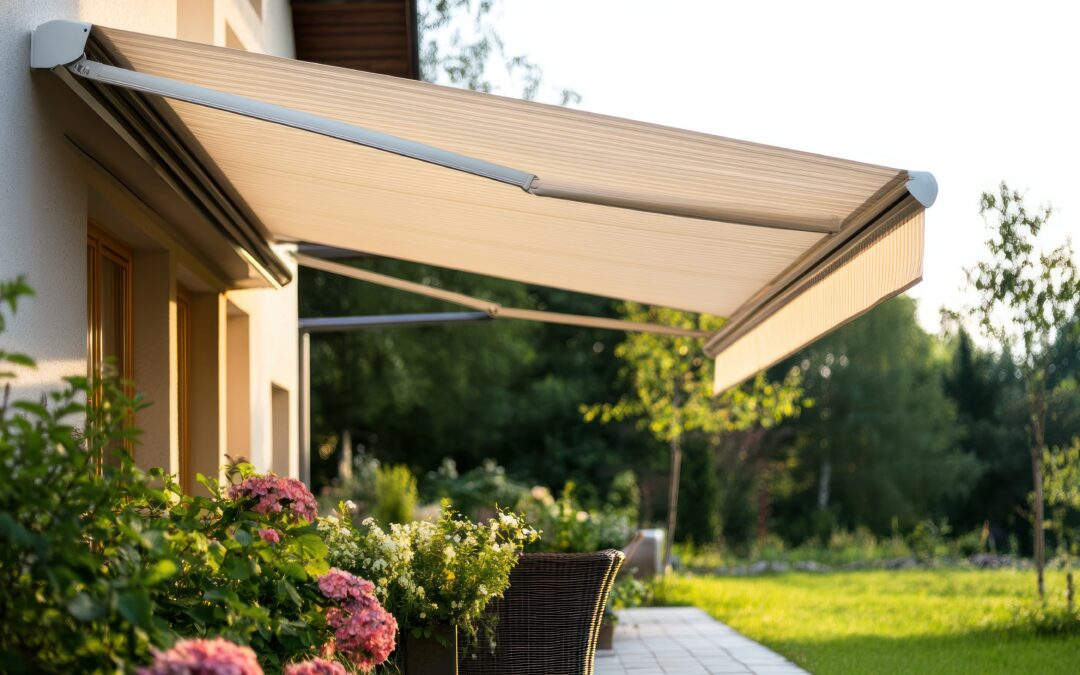
A clear cost guide for shade that actually fits Boise weather and Boise homes
If you’ve been searching for retractable awning installation Boise cost, you’ve probably noticed prices vary a lot—and most estimates don’t explain why. In Boise, the “right” awning isn’t just about size; it’s about sun exposure, wind considerations, mounting surface (siding/brick/stucco), and whether you want simple shade or a more complete outdoor-living setup. This guide breaks down typical cost drivers, what you can control, and how to plan a project that looks clean, functions smoothly, and lasts.
The short answer: what retractable awnings typically cost in Boise
Most homeowners land in a mid-range budget when they want a quality frame, dependable fabric, proper pitch, and professional installation. The biggest swing factors are awning width/projection, manual vs. motorized, and mounting complexity. Manufacturer price lists show a wide spread even before installation—reinforcing why “one-size-fits-all” pricing is rarely accurate.
Budget ranges (planning numbers):
- Entry-level manual retractable awning (smaller sizes): often starts in the low-to-mid thousands for product, then installation and options add on.
- Mid-range motorized retractable awning: commonly lands in the several-thousand-dollar range once installed, depending on size and electrical needs.
- Premium large-format motorized awning with options (wind sensor, hood/cassette, lighting): can reach the upper thousands, especially with challenging mounts or custom electrical runs.
What actually changes the price (the 7 biggest drivers)
1) Size: width and projection
Bigger awnings cost more because they require heavier-duty arms, more robust hardware, and additional mounting considerations. Projection (how far it extends) matters just as much as width when you’re trying to cover a table, grilling area, or seating zone.
2) Manual vs. motorized operation
Motorization adds cost, but it also changes how you use the space: quick shade when the afternoon sun hits, easier retraction when wind picks up, and optional smart controls. If you expect daily use during Boise’s sunny season, many homeowners appreciate the convenience.
3) Mounting surface and structure
Installing into wood framing is different from mounting to brick, stucco, or engineered siding systems. Your installer may need specialized anchors, blocking, or brackets to ensure the awning stays secure and operates smoothly over time.
4) Electrical work (for motorized awnings)
If power is already nearby, costs can be straightforward. If an electrician needs to run a new line, add a dedicated outlet, or conceal wiring for a clean look, your total installed price can jump noticeably.
5) Fabric and frame quality
Higher-grade fabrics hold color better, resist mildew, and stay tighter. Frame materials and coatings affect corrosion resistance and long-term appearance. Boise homeowners often prioritize durability because sun exposure can be intense for many months of the year.
6) Add-ons: hood/cassette, wind sensors, lighting, heaters
A hood/cassette can protect fabric and components when retracted. Wind sensors can help automatically retract during gusty conditions. Integrated lighting can turn shade into an evening patio destination.
7) Installation access and job complexity
Two-story installs, steep grades, tricky rooflines, or tight side yards can add labor and safety requirements. Complexity doesn’t mean “bad”—it just needs to be priced realistically.
Quick “Did you know?” facts (useful when comparing quotes)
Did you know: Pricing can vary substantially even for the same width because projection, bracket count, and motor options change what’s required. Manufacturer price sheets show thousands of dollars of spread across sizes and motor configurations.
Did you know: Motorized models can be easier to protect in sudden weather shifts because retraction is fast—especially when paired with wind sensors.
Did you know: “Installed price” should include correct pitch adjustment and secure anchoring into proper structure—those details are what prevent sagging, fabric rubbing, and premature wear.
How to get an accurate Boise awning quote (step-by-step)
Step 1: Measure the “use zone,” not just the patio
Decide what you want shaded: dining table, seating set, sliding door area, or kitchen-window sun exposure. This helps determine projection and ideal mounting height.
Step 2: Identify the mounting surface
Note whether the awning will mount to wood, brick, stucco, or special siding. If you’re unsure, your installer should verify structure and recommend the right fasteners/brackets.
Step 3: Choose manual vs. motorized based on real usage
If you expect frequent adjustments as the sun moves, motorized makes daily use easier. If you’ll extend it occasionally, manual can be perfectly practical.
Step 4: Decide how protected you want the fabric when retracted
A hood or cassette can reduce exposure to dust and weather when the awning is closed. It’s a common upgrade for homeowners who want a cleaner look and longer fabric life.
Step 5: Ask what’s included in the installation scope
A helpful proposal clarifies mounting method, any required blocking/brackets, electrical expectations (if motorized), warranty details, and what “finished” looks like (alignment, pitch, sealant, cleanup).
Comparison table: options that impact retractable awning installation cost
| Choice | Why it affects price | Best fit for |
| Manual crank | Lower product cost; no electrical work; simpler controls. | Occasional use, smaller patios, tight budgets. |
| Motorized | Adds motor/controls; may require new power supply and concealed wiring. | Daily use, quick adjustment, larger shade areas. |
| Hood/cassette | More components; cleaner finished look; better protection when retracted. | Homeowners prioritizing longevity and appearance. |
| Wind sensor | Added hardware and setup; helps protect the awning during gusts. | Exposed patios, higher elevations, frequent breezes. |
| Complex mounting | Special anchors, brackets, blocking, or access needs increase labor and materials. | Two-story installs, brick/stucco, limited access areas. |
Pairing shade with gutters: why Boise homeowners often upgrade both
It’s common to plan outdoor improvements as a package: shade for comfort, and drainage control to protect landscaping, patios, and foundations. In Boise neighborhoods with mature trees (including evergreens), seasonal debris can drive homeowners to look for long-term solutions like gutter guards—especially when late-spring buildup meets early-summer storms or heavier water flow from irrigation.
If you’re also weighing gutter protection, you may find it helpful to read about gutter guards and the practical benefits outlined on gutter guard benefits and warranty information.
For general drainage needs—install, repair, cleaning, or maintenance—see gutter installation and repair services in Boise.
The Boise angle: planning for strong sun, outdoor living season, and real-life maintenance
Boise patios get used hard—especially in the warmer months when shade can turn a too-hot deck into a comfortable extension of the home. Retractable shade is popular because it gives you flexibility: sun when you want it, coverage when you don’t.
For many Boise homeowners, the best value comes from selecting an awning that matches how the space is used (daily meals, kids’ play area, afternoon sun on west-facing patios) and then choosing features that reduce wear and tear—like motorization for quick retraction and a protective hood/cassette when it’s closed.
Want inspiration for how shade systems look on real homes? Browse our project photos in the gallery.
Get a Boise-specific quote (sizing, mounting, and options—no guesswork)
Idaho Gutter & Shade Solutions provides free estimates for retractable awnings and other outdoor living upgrades across Boise and surrounding areas. If you share your goals (shade coverage, manual vs. motorized, and where it will mount), we can recommend a setup that fits your home and your budget.
Prefer a full patio solution? Ask about motorized louvered pergolas, retractable screens, and fixed patio awnings.
FAQ: Retractable awning installation in Boise
How do I know what size retractable awning I need?
Start with the area you actually want shaded (table, seating, door threshold), then account for sun angle and mounting height. Projection is often the deciding factor for comfort.
Is a motorized awning worth the extra cost?
If you’ll extend/retract it frequently, motorization improves daily usability and can help you retract faster if conditions change. It also opens the door to add-ons like sensors and smart controls.
What should an “installed” quote include?
A good quote spells out mounting method, any specialty brackets/blocking, pitch adjustment, motor/controls (if applicable), and whether electrical work is included or excluded. It should also outline warranty and expected timelines.
Can retractable awnings be installed on stucco or brick in Boise?
Yes—when the mounting strategy is correct. The installer should verify structure behind the finish and use appropriate anchors/brackets to safely transfer load.
What if I want shade plus bug control?
Many Boise homeowners pair an awning with retractable screens to keep airflow while reducing insects. For a more architectural “roof” feel with sun-and-rain control, consider motorized louvered pergolas.
Glossary (helpful terms when comparing awning options)
Projection: How far the awning extends outward from the wall. Projection strongly affects how much usable shade you get.
Cassette / Hood: A protective cover that encloses (fully or partially) the fabric and mechanical parts when the awning is retracted.
Pitch: The slope angle of the awning. Proper pitch helps with water runoff and reduces pooling on the fabric.
Wall Brackets / Mounting Brackets: Hardware that anchors the awning to the home’s structure. Correct placement and attachment are key for safety and performance.
Wind Sensor: A device that detects wind and can automatically retract a motorized awning to reduce damage risk.
