
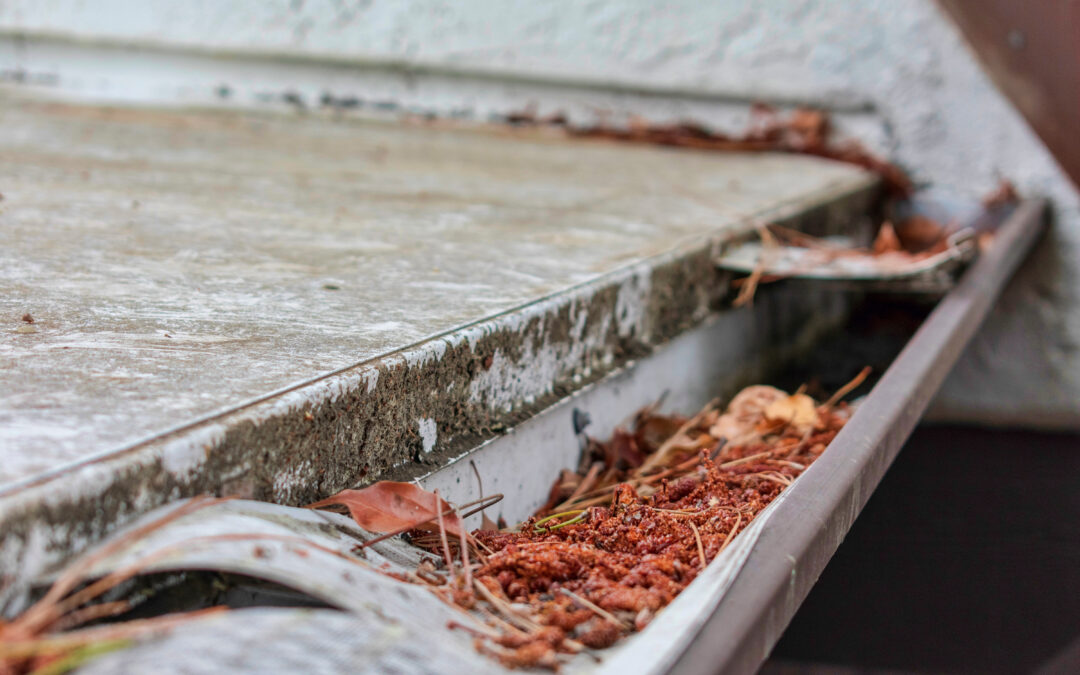
A Boise homeowner’s guide to fewer clogs, fewer cleanouts, and calmer storm seasons
If you live in Boise and you’re surrounded by pines, you already know the pattern: needles build up fast, they mat together, and they turn “quick gutter maintenance” into a repeating weekend chore. The good news is that the right gutter guard can dramatically reduce pine-needle clogs—especially when you match the guard style to Boise’s debris, roof runoff, and seasonal weather swings.
At Idaho Gutter & Shade Solutions, we hear a very specific frustration from homeowners in late spring: “I cleaned them recently—why are they already backing up?” Pine needles are the reason. They’re lightweight, they interlock, and once they start bridging over an outlet, water can overflow during spring rain, snowmelt, or sudden downpours. Boise’s climate is relatively dry on average (just over ~11 inches of rain + melted snow per year at the airport), but when storms hit, your gutters still need to move a lot of water quickly—especially when needles and roof grit are in the mix.
Why pine needles are tougher than “normal” leaves
Pine needles don’t behave like cottonwood leaves or maple leaves. They:
- Slip through large openings (common with basic screens).
- Form “rafts” or mats that shed water poorly and trap grit.
- Catch roof granules (especially after a newer shingle install) and create a heavy, compact layer that’s hard to flush out.
- Collect in valleys and corners, exactly where gutters need flow the most.
In other words: the “best gutter guards for pine needles Boise” searches tend to land on one core requirement—the openings must be small enough to stop needles, without restricting water flow.
Gutter guard types compared (with pine needles in mind)
| Guard type | How it handles pine needles | Common Boise homeowner tradeoffs | Best fit for |
| Micro-mesh | Typically the strongest performer for pine needles because openings are fine enough to block needles and much of the grit. | Higher upfront cost; still benefits from occasional surface brushing/rinsing (especially after heavy pollen or wind). | Homes with pine trees close to the roofline and owners who want low-maintenance protection. |
| Reverse-curve (surface-tension) | Mixed results with pine needles; needles can migrate into the front opening depending on wind, roof pitch, and debris volume. | Can shed big leaves well, but pine needles are less predictable; may require periodic cleaning in the nose/slot. | Homes with mostly broadleaf debris and fewer pines. |
| Standard screen (larger perforations) | Often allows pine needles through (or lets them lodge in holes), leading to gradual clogging. | Lower cost; can become a “filter” that needs routine cleaning to keep flow up. | Homes with light debris, trees farther away, or short-term budgets. |
| Foam insert | Can trap needles and grit inside the foam, acting like a sponge/filter. | May require frequent removal/cleaning; tends to age faster in sun exposure. | Very short-term use cases (not ideal for heavy pine debris). |
| Brush insert | Needles can tangle into the bristles and build up like a nest. | Easy DIY, but often becomes a recurring cleanout task in pine-heavy yards. | Homes with minimal needles and easy roof access. |
Practical takeaway for Boise pines: If your roofline regularly collects needles in late spring and again during windy stretches, micro-mesh is usually the most consistent “set it and forget it” path—with the expectation of light maintenance rather than constant scooping.
Step-by-step: how to choose the right gutter guard for your home
1) Identify your “debris blend” (not just one tree)
Many Boise homes get a mix: pine needles + cottonwood fluff + roof granules + dust. Pine needles are the deciding factor because they’re thin enough to defeat basic screens. If needles are visible on your roof after wind, choose a system designed to block fine debris.
2) Look at your roof edge and shingle condition
Newer asphalt shingles can shed extra granules early on, and those granules end up in the gutter. A guard that blocks needles but also handles grit (without clogging itself) is key. This is also why professional installation matters—correct pitch and fastening keeps water moving into the gutter instead of skating over the top.
3) Check capacity: downspouts and outlets matter as much as the guard
If your downspouts are undersized or outlets are prone to clogging, even the best guard can’t compensate. A good evaluation includes: downspout placement, outlet size, and whether water is draining away from the foundation properly.
4) Decide what “maintenance-free” really means
No system eliminates maintenance forever—especially in a pine-heavy yard. The goal is to shift from dangerous ladder cleanouts to simple, occasional checkups (like a gentle roofline rinse or brushing off the guard surface once or twice a year).
Did you know?
- Boise is semi-arid, but quick storm bursts (and spring meltwater) can still overwhelm a partially clogged gutter—overflow doesn’t require “constant rain,” just restricted flow at the wrong time.
- A “clean-looking” gutter guard can still have blocked outlets. A fast check is to run a hose for a minute and confirm water exits each downspout strongly.
- Pine needles often collect where roof planes meet (valleys). If those valleys drain toward a single gutter run, that section usually needs the highest-performing protection.
A Boise-specific angle: timing your solution around late spring debris
Your persona (and plenty of Boise neighborhoods) tends to see heavy buildup in late spring—right when you want gutters clear for early irrigation cycles, surprise windstorms, and the first serious rain events. If you’re choosing or upgrading gutter guards, aim to have your system evaluated and installed before the heaviest needle drop and summer storms.
If you’re unsure where your home falls, a quick professional assessment can map your high-debris zones (valleys, north-facing runs, shaded roof edges) and recommend the guard style and gutter sizing that fits how your property actually sheds water.
See local installation examples in our project gallery
Ready to stop pine needles from owning your weekends?
Idaho Gutter & Shade Solutions provides seamless gutters, gutter guard installation, and ongoing support for Boise-area homeowners who want fewer clogs and more peace of mind.
Explore Gutter Guard Options | Request a Free Estimate | Need repair, cleaning, or new seamless gutters instead?
FAQ: Gutter guards for pine needles in Boise
Which gutter guard is best for pine needles?
For pine-heavy properties, micro-mesh is commonly the most effective at blocking needles and fine debris. The “best” choice still depends on roof pitch, water volume, and how your valleys drain.
Do gutter guards eliminate gutter cleaning?
They reduce the frequency and mess, but they don’t eliminate all maintenance. Most Boise homeowners with pines still do a periodic check for surface buildup and confirm downspouts are flowing well.
Why do my gutters overflow even though I have guards?
The most common causes are: clogged outlets/downspouts, guards installed with improper slope, guard surface covered with fine debris, or gutters that are undersized for roof runoff in peak events.
Are pine needles worse in certain parts of the home?
Yes—look for roof valleys, shaded north-facing edges, and sections under overhanging branches. Those areas often need the highest-performance guard (and sometimes additional downspout capacity).
Is professional installation worth it?
With pine needles, installation details matter: correct pitch, secure fastening, clean roof edge alignment, and proper handling of corners/outlets. A pro assessment also catches gutter slope issues and drainage problems that guards alone won’t solve.
Glossary (quick definitions)
Micro-mesh: A gutter guard with a very fine metal mesh designed to block small debris (like pine needles and grit) while allowing water through.
Reverse-curve (surface tension): A cover that uses curved metal to guide water into the gutter while debris is intended to slide off the top.
Outlet: The opening where water leaves the gutter and enters the downspout—one of the most common clog points.
Roof granules: The sand-like particles from asphalt shingles that can accumulate in gutters—often more noticeable after a newer roof is installed.
